Meeting the Future Faces of CW Chu College
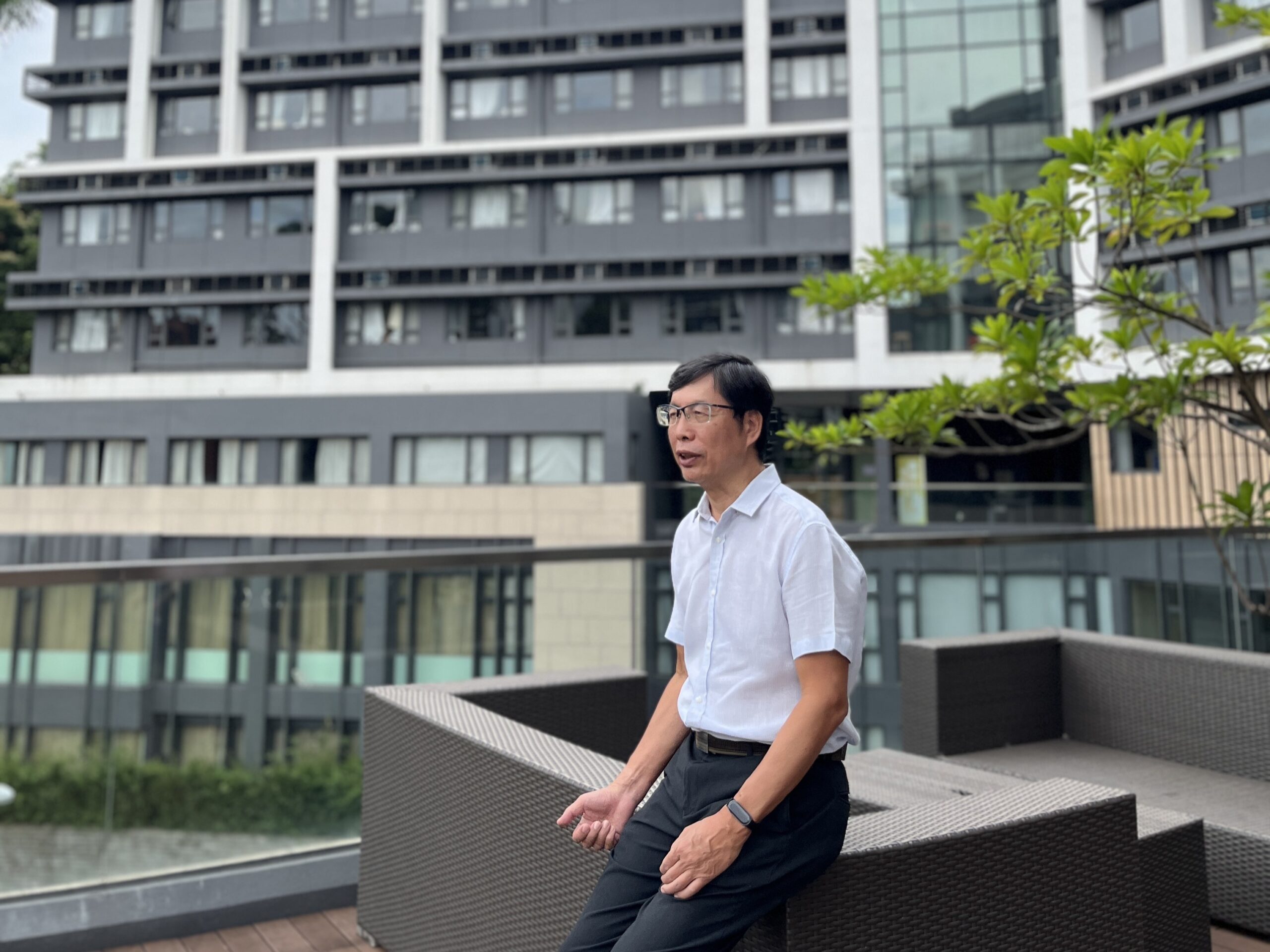
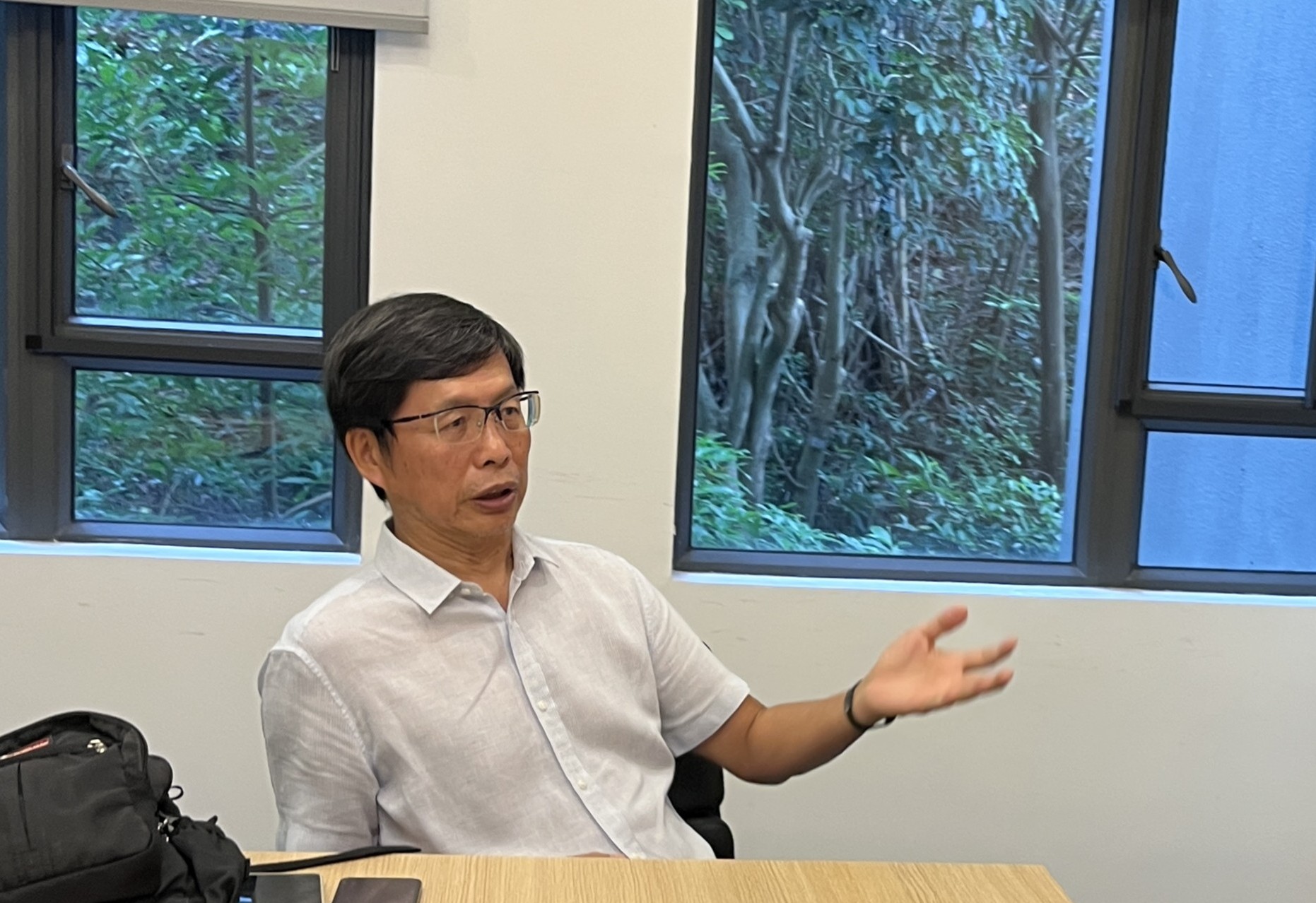
For Prof Thomas AU, Chair of the Admissions, Scholarship and Financial Aid Committee of CW Chu College, admissions is not simply an exercise in selecting students. It is also an opportunity for teachers, staff and current students to meet the future faces of the College and to begin a conversation with them.
The 2026–27 admissions exercise drew 734 applicants, or roughly nine applicants for each place. Applications came through several channels and reflected the diversity that CW Chu College seeks to sustain: local students, students from mainland China, and students with international backgrounds, with majors ranging from the arts and social sciences to engineering, science, business and medicine.
The process unfolded over several months. International applicants submitted written responses and personal statements, with some invited to online interviews. Shortlisted applicants from mainland China were interviewed individually online. For entrants sitting the local DSE, the College took part in the University’s campus event on 6 August, supported by many student helpers, before holding its own interviews on 11–12 August. Applicants met current students in a group setting and then spoke individually with a College teacher.

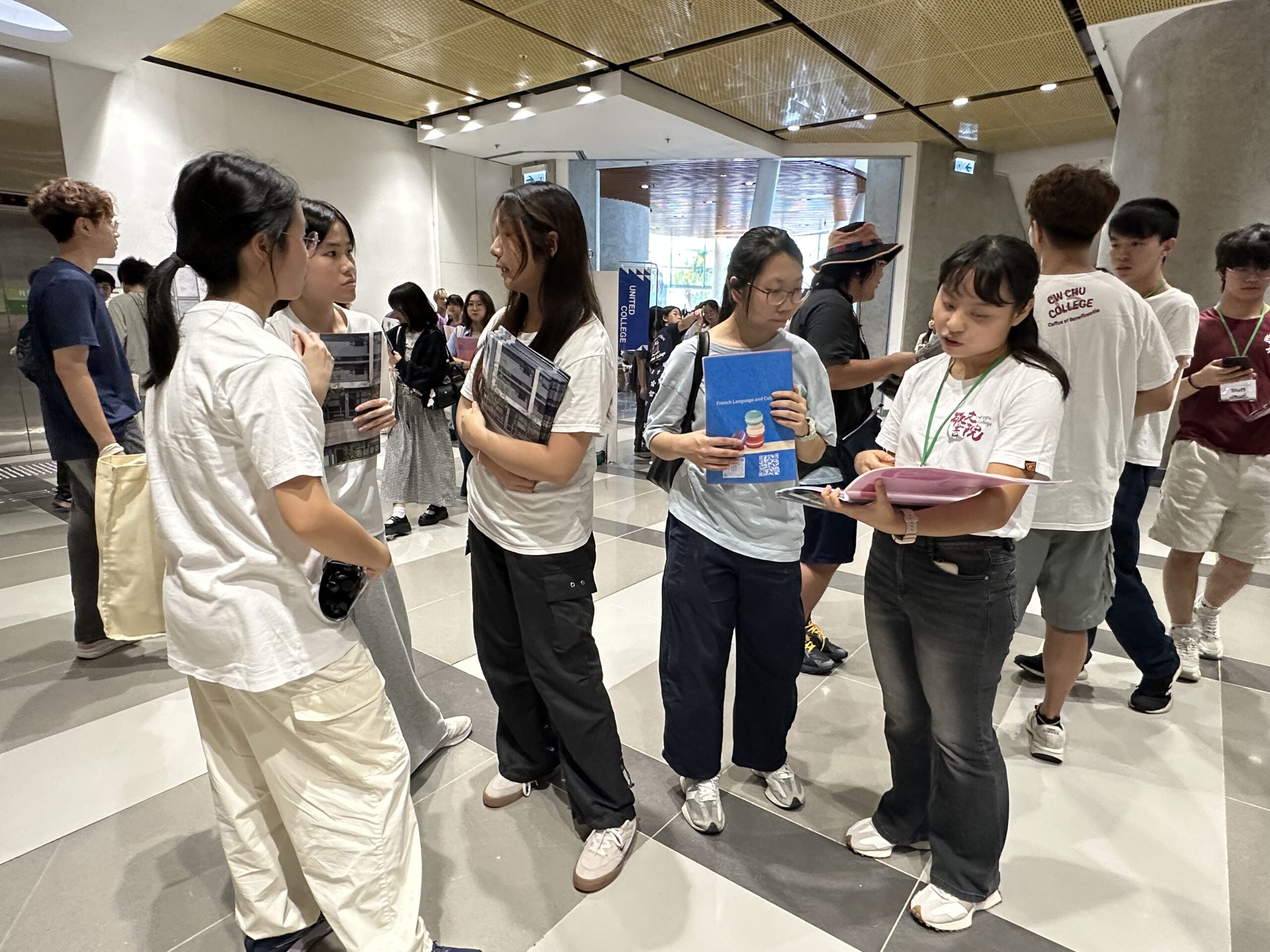
Prof AU sees these interactions as more than assessments. They offer an early glimpse of how prospective students communicate, relate to others and imagine their university years. “Our students would like to have new members who integrate well with others in daily life and also contribute to student activities,” he said. Teachers, meanwhile, would not fail to notice applicants who have exceeded themselves beyond what was normally expected by their schools, teachers or parents.
This year’s applicant pool also revealed several trends. The College saw more interest from Vietnam, Russia and some former Soviet states, possibly encouraged by positive word of mouth from students from these countries admitted in previous years. Applications from mainland China continued to grow and came through a wider range of qualifications. Engineering remained popular, especially among students interested in artificial intelligence and machine learning, while a modest increase in interest from arts and humanities students was also noted.

What attracts applicants most is often straightforward: four years of residence, lasting friendships and the prospect of belonging to a small, welcoming community. Prof AU believes these motives are natural enough, but he also hopes students will gradually discover something deeper. University, in his view, is not only a place to complete the requirements of a degree, and College life is not only about comfort and convenience. It is a setting for growth in many dimensions, with opportunities to learn inside and outside classroom.
That growth includes learning to communicate across cultures, taking part in community life and showing genuine concern for others, in keeping with the College’s mission and philanthropic roots. Applicants may not yet see all these possibilities when they arrive, Prof AU acknowledged. ‘The situation changes after a year or two,’ he observed. ‘The College has certainly done its work.’
All in all, Prof AU concluded, this has been another successful exercise, with credits to the participating colleagues, staff and students. At the time of writing, 80 students have registered to start their campus life at CW Chu College in September.

For students who were not admitted to CW Chu College, the door to friendship and collaboration remains open. While College membership is limited by the number of hostel places, students from other colleges are welcome to join our events and stay close. The College and its students remain keen to collaborate with other colleges, extending the spirit of community well beyond the admissions exercise itself.