

A Historical and Cultural Tour of Sham Shui Po
How can we come to know the history and culture of Hong Kong? The international exchange students spending only one term in CW Chu College naturally hope to visit as many distinctive local attractions as possible, while the College’s local students may wish to discover something new in familiar surroundings. On 29 January this year, Dr YIP Ka Wing led a group of eight students through the streets of Sham Shui Po, where old and new cultures exist side by side.
Before setting out, most of the students had never visited Sham Shui Po. What they knew of the district came largely from films, television and the accounts of others. How would these second-hand impressions compare with experiencing the neighbourhood first-hand? The answers awaited them at six stops along the way.
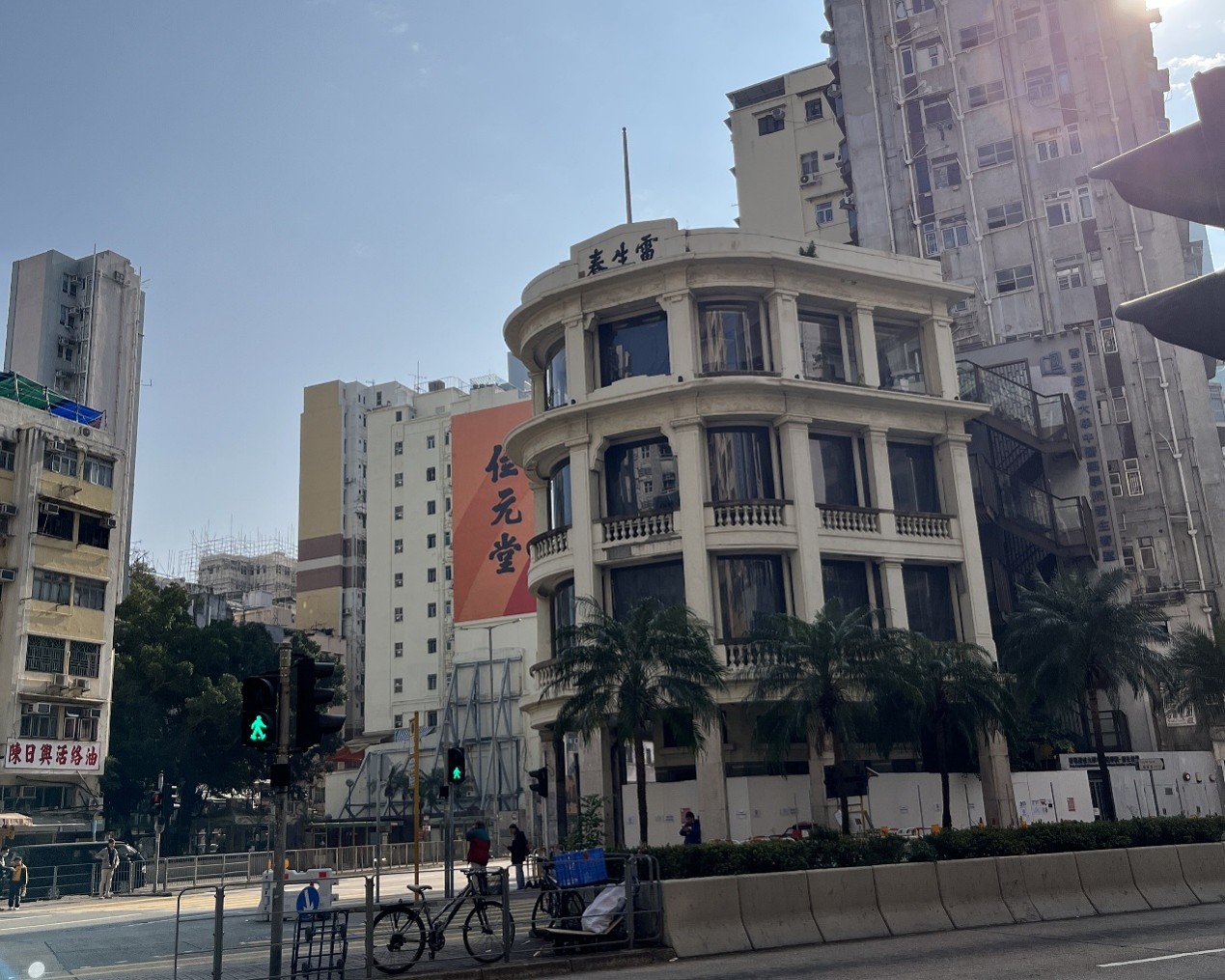
The first stop was Lui Seng Chun. Its most distinctive feature is the curved verandah, a characteristic of Hong Kong’s pre-war architecture of which few examples survive today. Since its revitalization in 2012 as a Chinese medicine healthcare center operated by Hong Kong Baptist University, the building has been open to the public. Dr YIP invited the group to view it from a distance, allowing them to appreciate both its rounded corner and the contrast between its creamy white exterior and the surrounding buildings. This vantage point offered an ideal introduction to the city’s local culture and distinctive architecture.
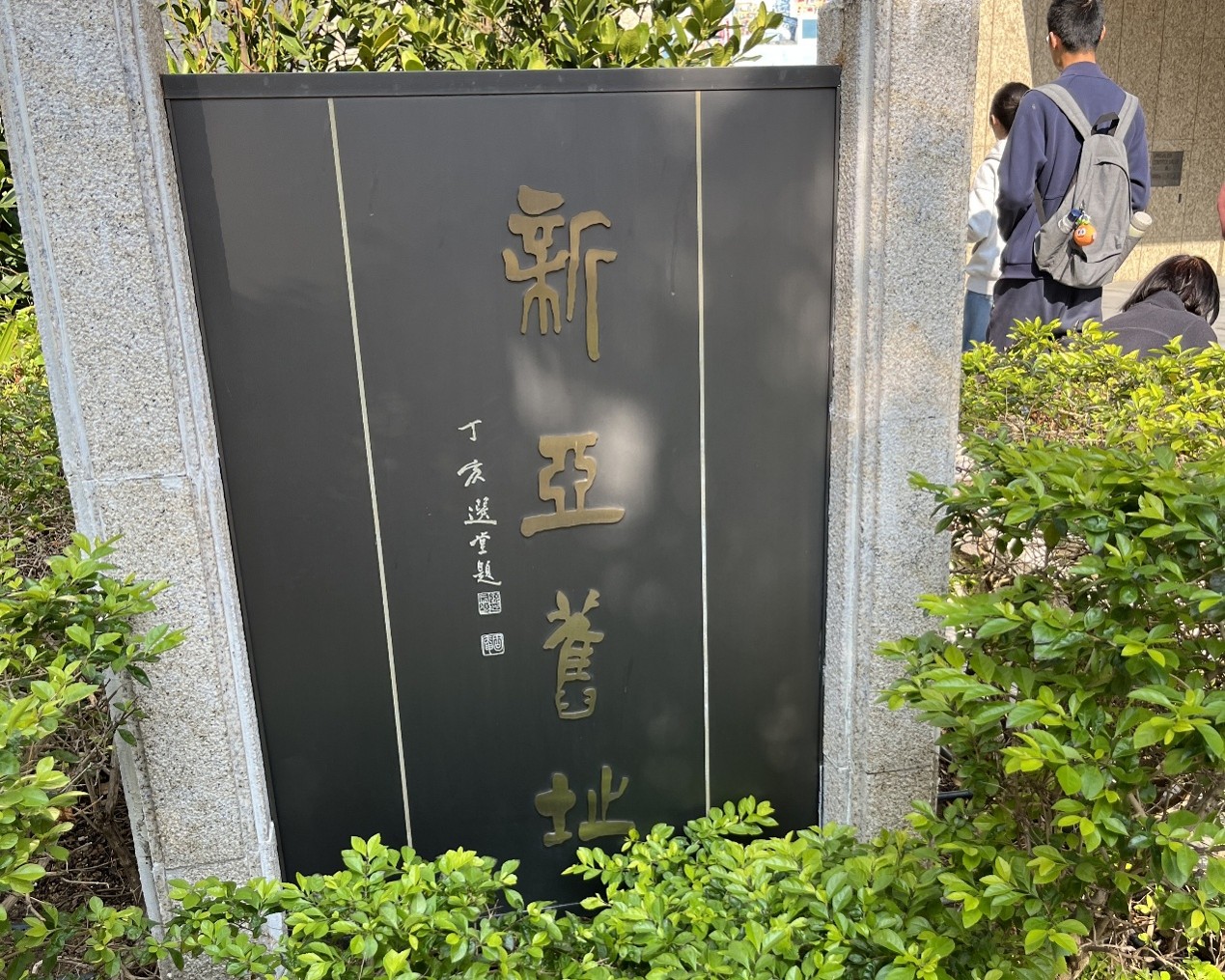
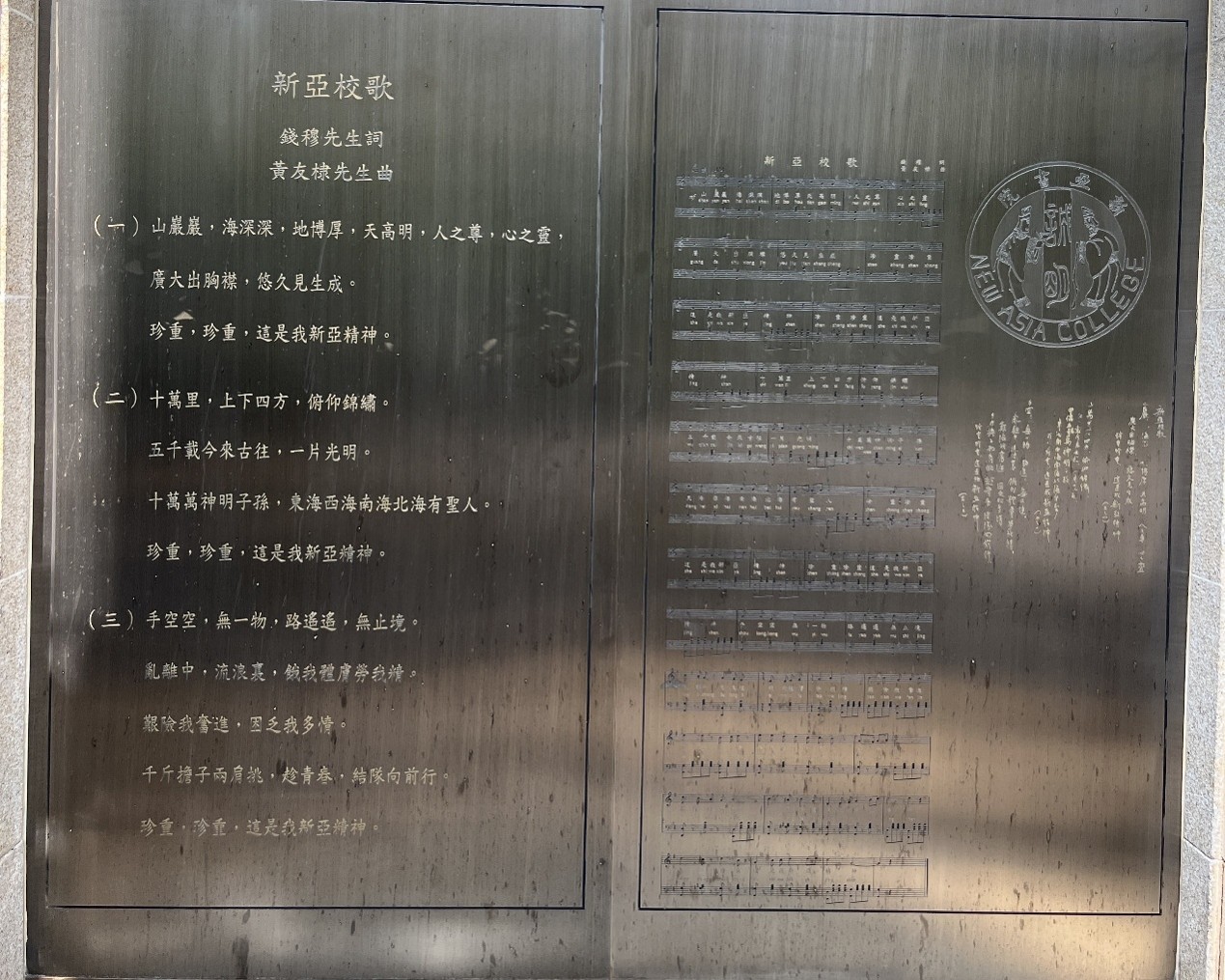
The second stop was the former site of New Asia College on Kweilin Street. Students learnt about the College’s history and anthem, viewed photographs of its early years, and gained a better understanding of the origins of the Chinese University. They also noticed modern residential buildings alongside a Tin Hau Temple, creating an engaging juxtaposition of old and new. Dr YIP explained that Tin Hau has traditionally been revered by fishing communities seeking safe voyages and favourable weather, a belief closely connected with Hong Kong as a harbour city.
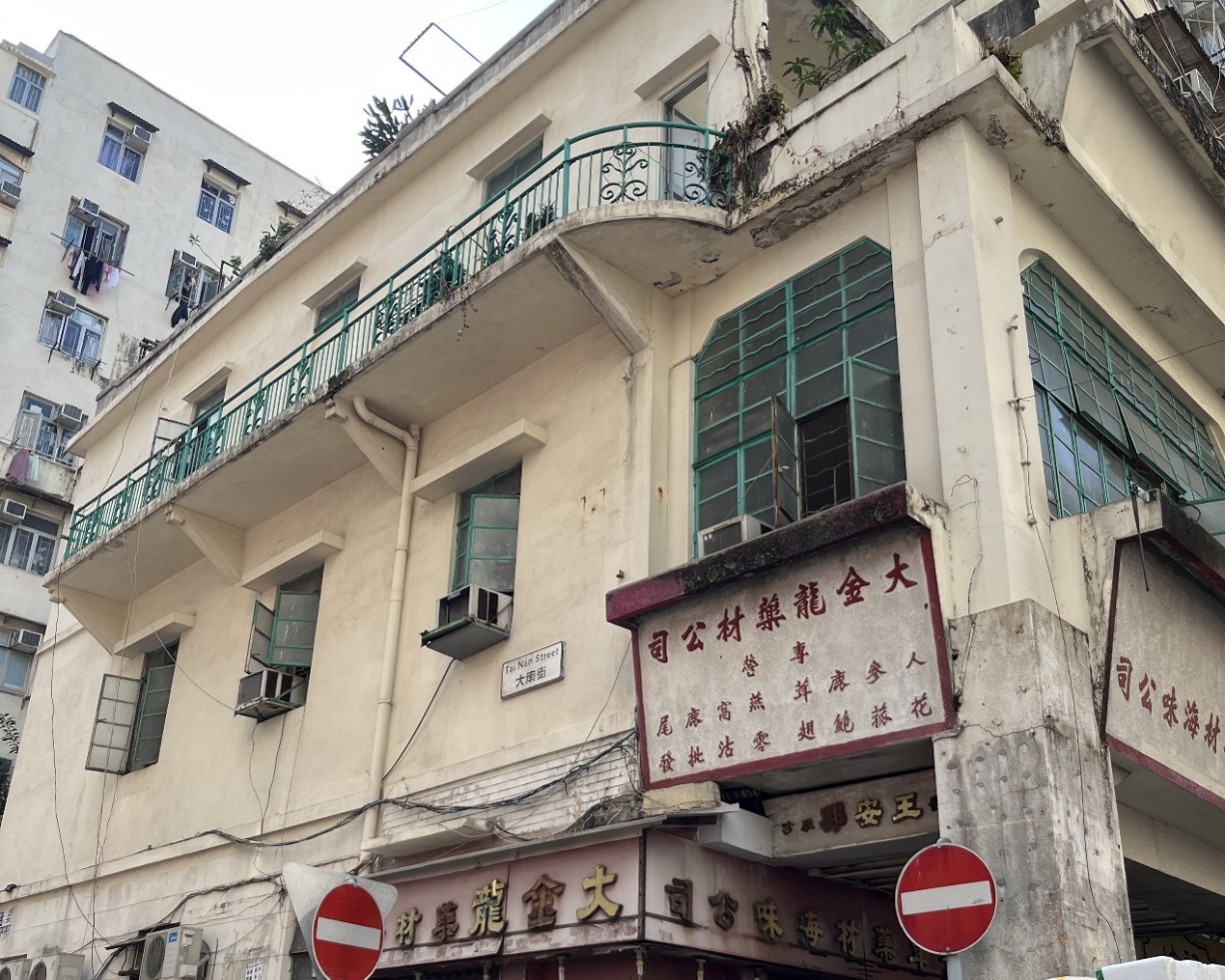
Pei Ho Street is one of Sham Shui Po’s best-known thoroughfares. Tucked away there is Dai Kam Lung Medicine Co., housed in a pre-war tenement building with a right-angled corner and classified as a Grade 2 historic building in Hong Kong. The shop retains many features from its early days, including its red-and-white signboard, glass jars and green window frames. Together, these details bear quiet witness to the district’s transformation over the decades.
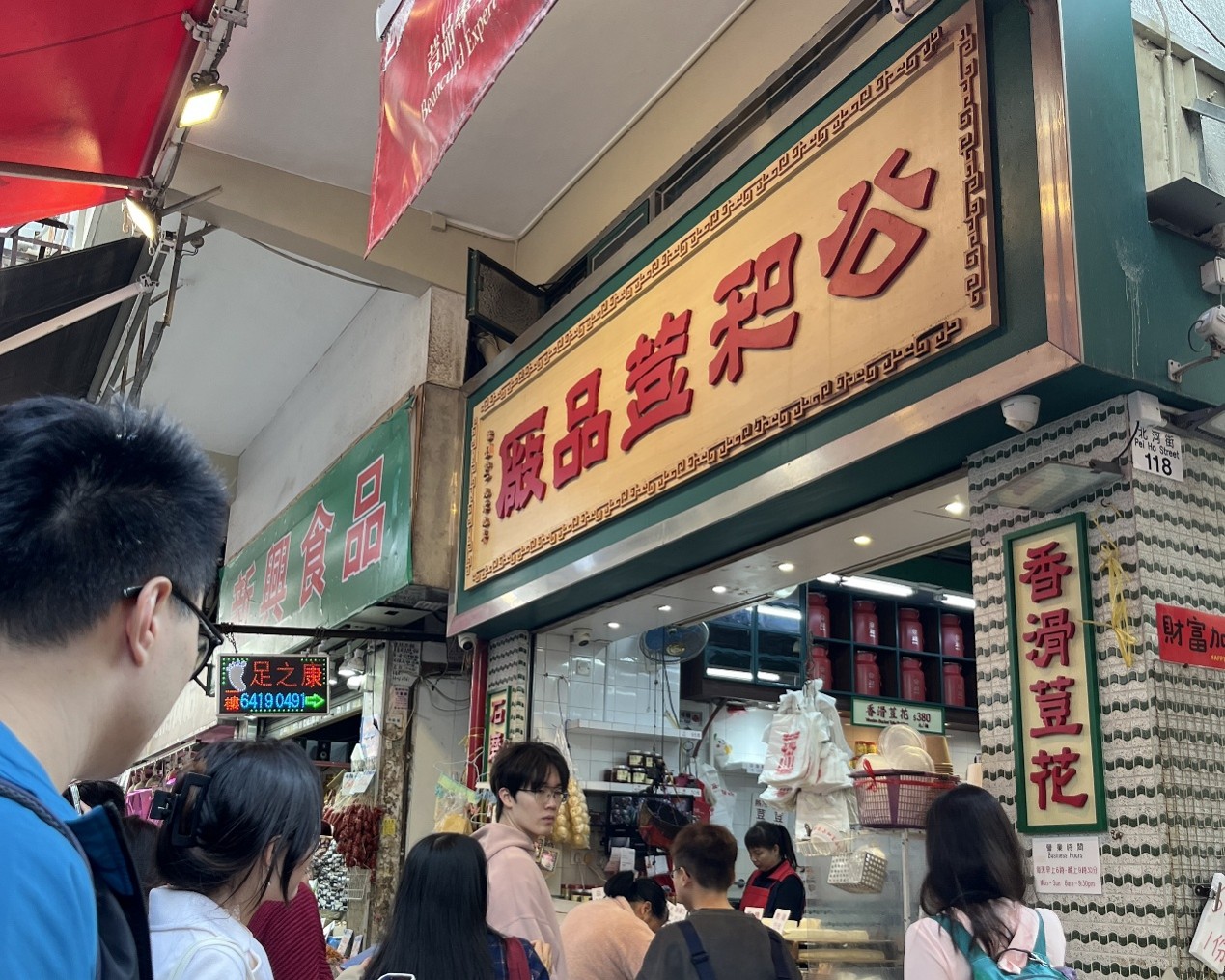
Culture is not only something to be observed; tasting local food can make the experience even more memorable. The group therefore made its way to Kung Wo Beancurd Factory. Established more than 60 years ago, the shop offers a modest menu but is frequently full, a testament to the quality and popularity of its food. Once everyone had ordered, Dr YIP switched into her ‘teaching mode’ and introduced the Cantonese names and pronunciations of different dishes and drinks. These included tofu pudding (dau6 fu6 faa1); aubergine (ai2 gwaa1); rice noodle rolls (zyu1 coeng4 fan2); and bean sprouts (ngaa4 coi3). A word may have several Cantonese pronunciations. For example, ‘elder sister’ (ze) may be pronounced ze2 or ze3. Lunch had become a lively introductory lesson in the Cantonese of food.
After lunch, the students were eager to continue. Along the way, they encountered different pedestrian routes. Some found the underpasses quicker because there was no need to wait for the traffic lights before crossing the road. Others preferred the pedestrian crossings, where they could browse the distinctive foods sold by street vendors. ‘Are those white sugar sponge cake and red bean pudding?’ they marveled; local snacks were naturally the greatest attraction. Whichever route they chose, the students demonstrated keen powers of observation and discovered the value of being physically present, an experience that technology cannot replace.
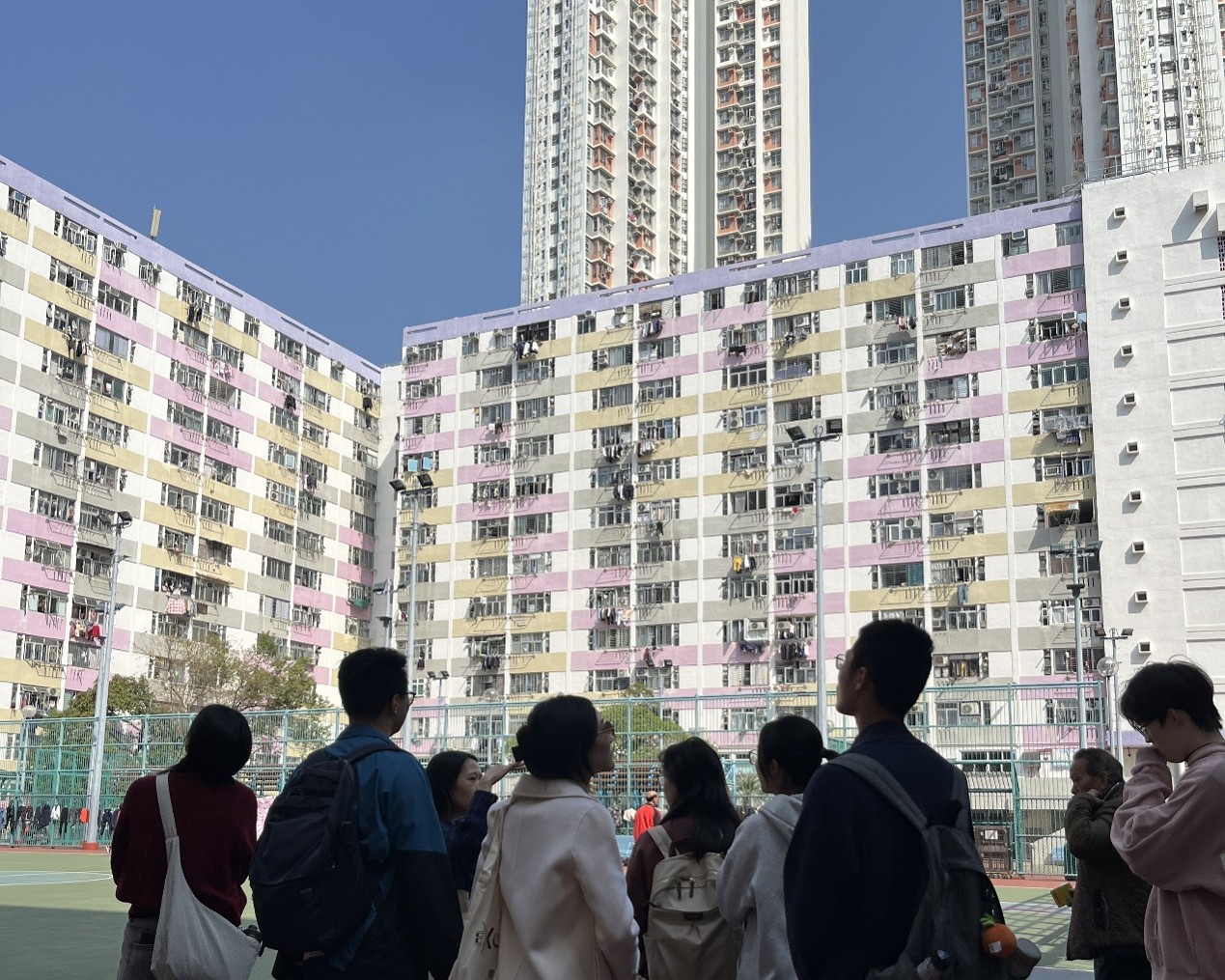
Before reaching the final stop, the group visited Shek Kip Mei Estate. The students were intrigued by the orderly rows of public housing blocks. As Dr YIP recounted the history of the estate, they took the opportunity to photograph the old buildings, many of which rise only a little over ten storeys. Particularly evocative were the bamboo clothes-drying poles projecting from the windows, hanging out nostalgia for all to see. Sadly, this once-familiar sight is becoming increasingly rare.
Viewing the exterior of a public housing estate alone reveals only part of its story. Mei Ho House Museum, the final destination of the tour, allowed the students to explore the history of Sham Shui Po from the inside out. After taking photographs in the courtyard against the building’s distinctive H-shaped design, they stepped indoors and travelled back to Shek Kip Mei as it was 70 years ago.
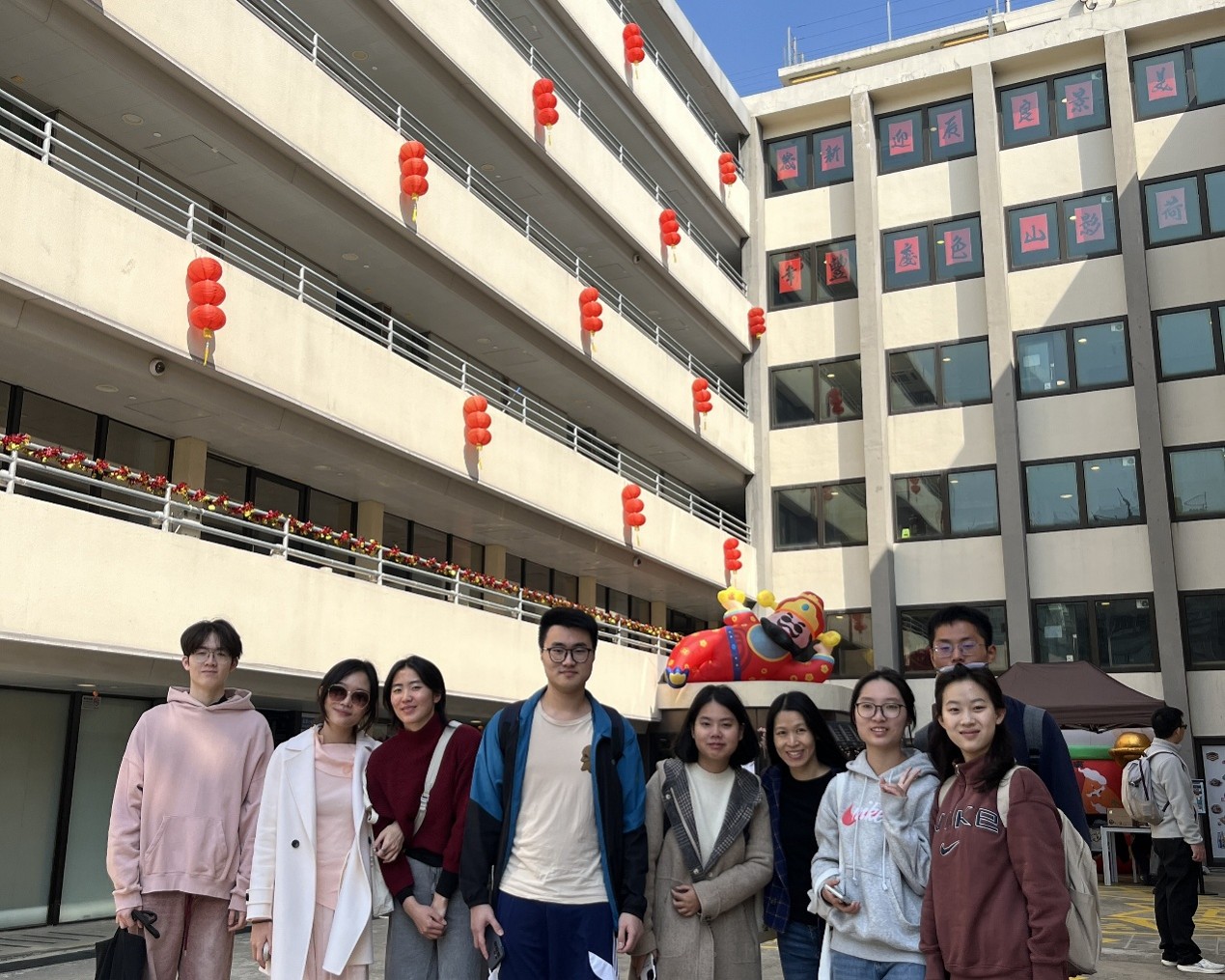
Mei Ho House was originally built to resettle victims of the Shek Kip Mei fire and has since been revitalised as a youth hostel and exhibition venue. The museum recreates domestic life in the district from the 1950s to the 2000s, with shared toilets, bunk beds and mezzanine floors among its displays. It also shows how residents once bought different varieties of rice from local groceries, sometimes in quantities measured by the tael, a striking contrast with the one- and five-kilogram packages commonly sold at supermarkets today. The interactive area proved especially popular. Following the teacher and pupils on screen, the students joined in a morning exercise routine and slipped naturally into the atmosphere of a school day from decades past.
At the end of the activity, the evaluation form asked: ‘Would you recommend this kind of activity to other students?’ Every participant answered ‘Yes’. There could be no better footnote to the historical and cultural tour of Sham Shui Po.